The African Growth and Opportunity Act Program (AGOA)

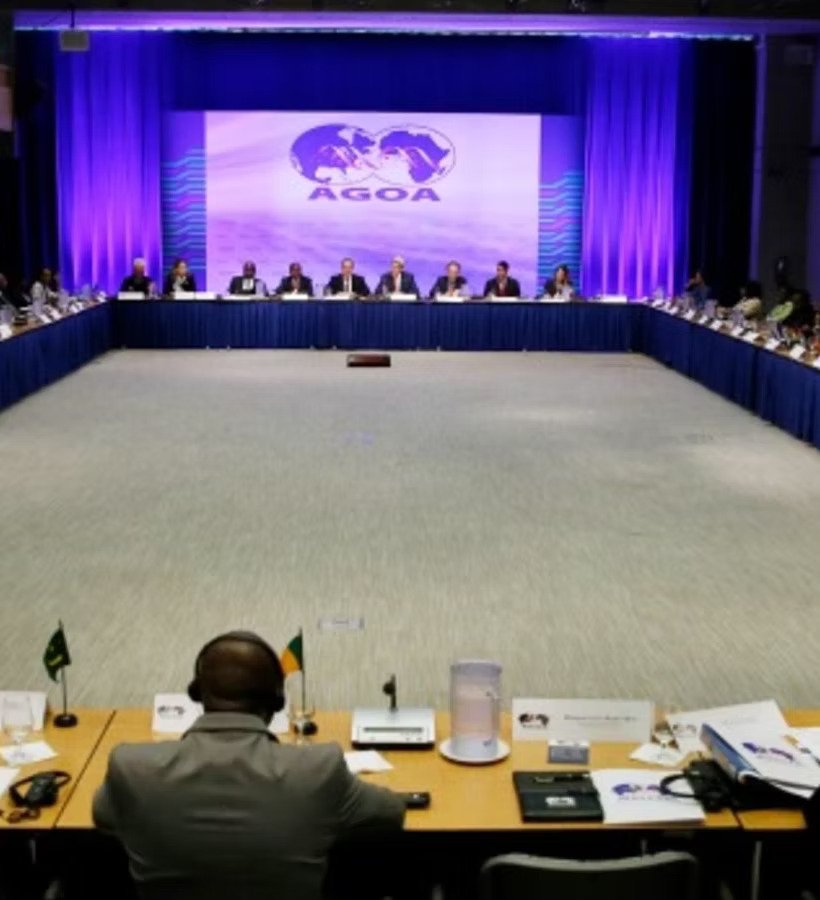
AGOA shows the renewed interest of the United States in its commitment to the economic development of Sub-Saharan Africa. It was enacted in 2000 by the U.S. Congress to give this region an access to the U.S. market, create investment opportunities for U.S. businesses, and help promote economic development in the region. AGOA is an unilateral trade preference program from the United States to Sub-Saharan Africa without reciprocity in return.

Trade analysts have suggested the program reflects shifting US economic policy toward Africa to promote trade, not aid.

Assistance targets trade infrastructure, education, agriculture and services.

The program contributes to the diversification of exports from Sub-Saharan Africa to the United States.

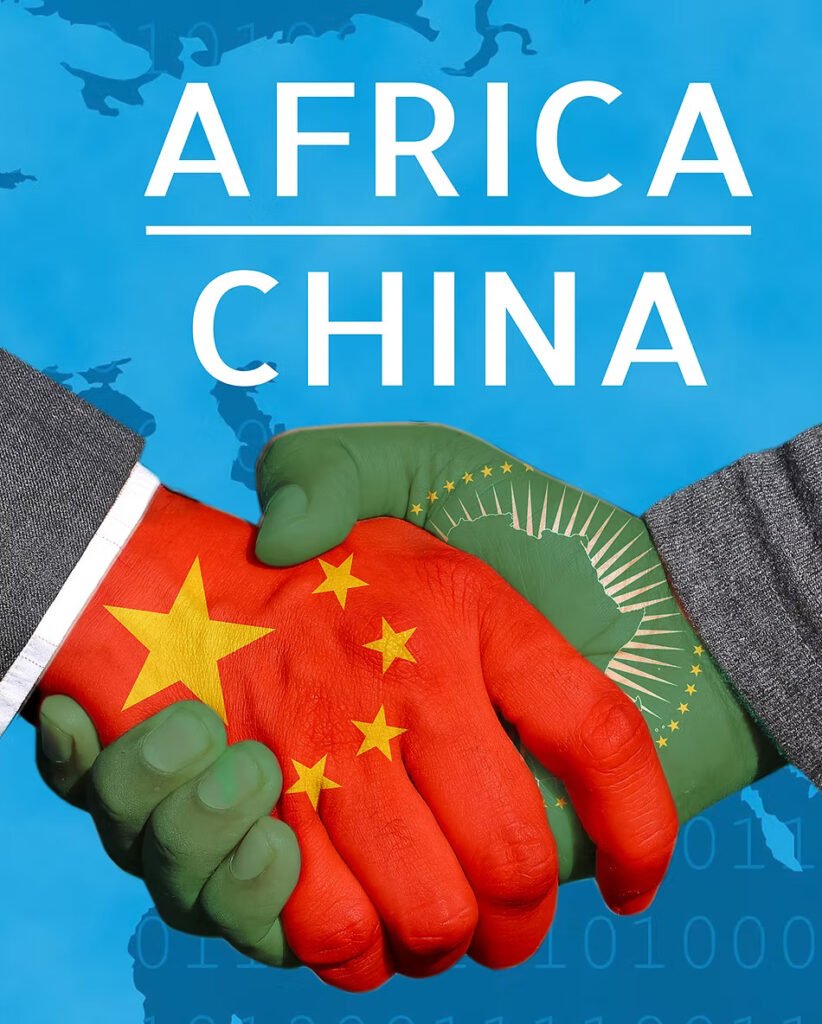
CHINA & AFRICA TRADE

FORUM ON FORUM ON CHINA–AFRICA COOPERATION (FOCAC)

Trade between China and Africa became a program of Chinese foreign policy after the Forum for China-Africa Cooperation (FOCAC) in Beijing in October 2000. The forum opened up opportunities for increased trade cooperation, making China one of Africa's most important trading partners for economic development. Chinese investment in resource-seeking, market-seeking and efficiency-seeking FDI can explain its commercial success not only in Africa but also in developed countries. However, Chinese FDI flows are only part of the business strategy that drives further study to understand how Chinese Confucian culture both tolerates and adapts to avoid high and low uncertainties. As a prelude to such studies, the findings suggest that Chinese social practice characterized by interpersonal relationships is central to Chinese business cooperation with other nations as opposed to Western dominant cultural introspection.

Power Africa

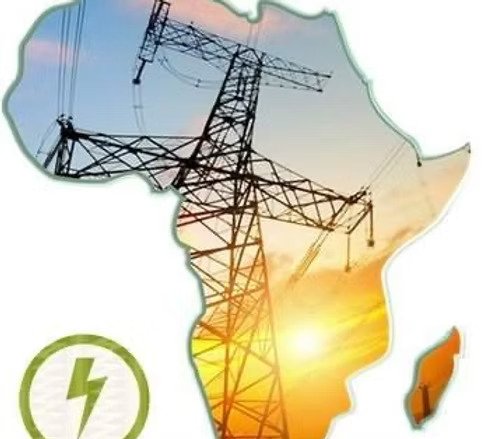
Power Africa is a five-year US presidential initiative launched by President Barack Obama. The initiative aims to support economic growth and development by improving access to reliable, affordable, and sustainable energy sources in Africa. The project, which aims to double access to electricity in sub-Saharan Africa, is estimated to cost $7 billion.

The roadmap outlines the three strategic pillars of Power Africa: generation, connections, and unlocking the potential of the energy sector. These three pillars will help accelerate energy transactions by working with African governments to create the necessary policy, legal, and regulatory frameworks to attract private investment in the energy sector.
Incredible Business Opportunities

American and African companies have opportunities to access Power Africa's funds of funds to create businesses in this sector.
GTMCO is familiar with the US government's tendering processes for accepting contracts from private companies seeking funding in this sector. It also has a good understanding of the regulatory systems in the energy sector of various sub-Saharan African countries.

EU - ACP

The European Union (EU) and l’Africa have a long tradition of trade agreements and negotiation. From the dependency state of the colonial area, trade relations between these partners entered a new phase of interdependency under the Yaoundé and Lomé conventions that laid down the rules for cooperation between the European States and African, Caribbean and Pacific countries (ACP).

After the formation of the EU, the trade treaty was revised and signed under the “Everything but Arms” Regulation’s precept. The new treaty presented a more favorable generalized system of preferences (GSP).

The EU and ACP trade agreement lays down conditions for EU-ACP trade reciprocity. The EU continues to be Africa's leading trade and development partner with the highest FDI ratio.